
Andon meaning and definition
Andon is a visual management tool from the Toyota Production System. Any operator who spots a problem, like missing material, a machine fault or a quality doubt, signals it at once. The signal lights up, the people who can fix it respond, and the problem is handled before it travels down the line.
Two ideas sit behind it. First, problems should be visible the instant they happen, not discovered at the end of the shift. Second, the person closest to the work has the authority to call for help. In lean terms, andon is how jidoka, stopping to fix quality at the source, works in practice.
Where andon came from
Toyota made andon part of its production system as the company built its approach to lean manufacturing after World War II. Operators could pull a cord along the line; a light or board showed which station needed help, and a team leader came to solve it.
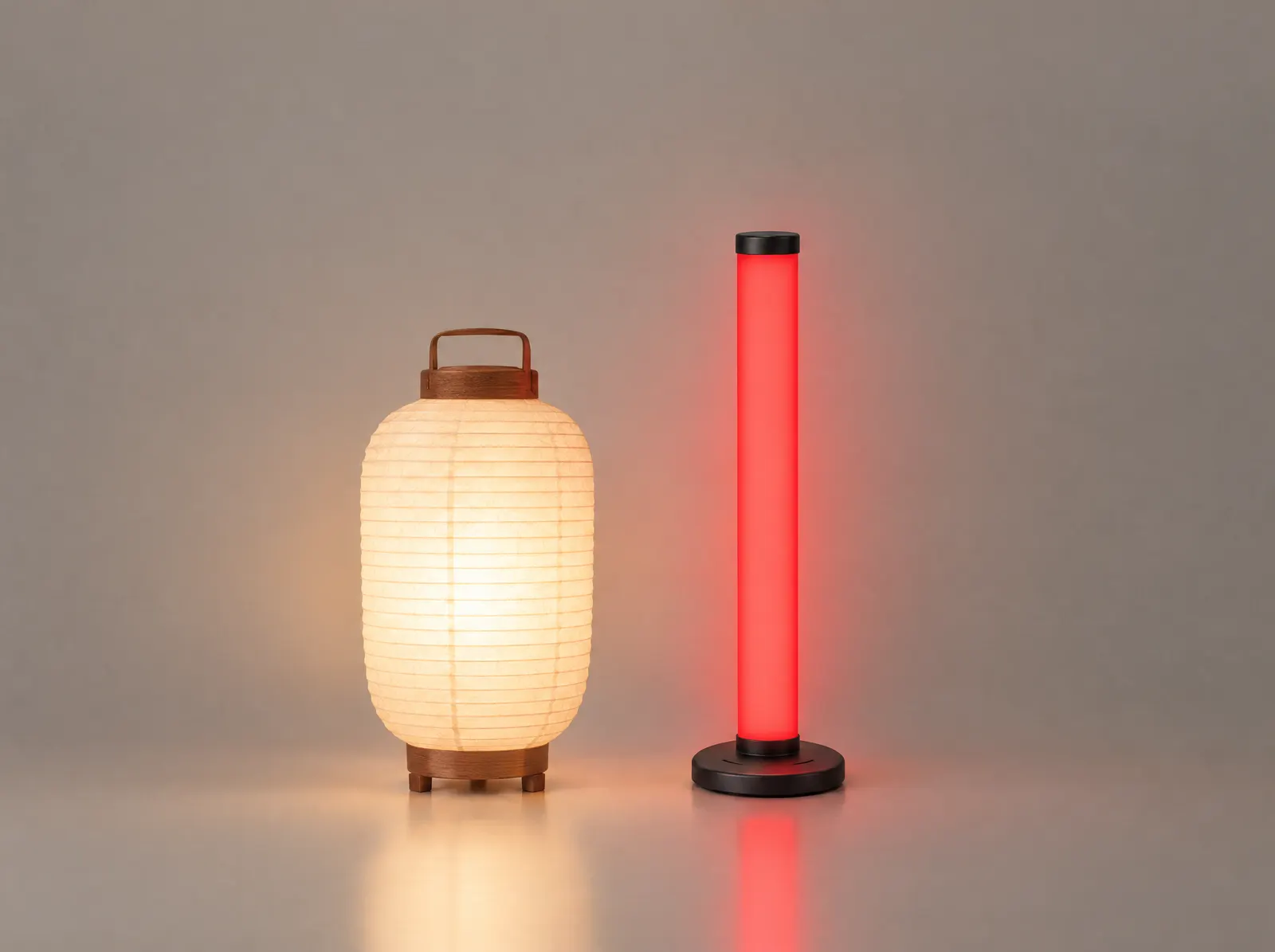
- LanternIn Japanese, andon (行灯) is a paper lantern: a light that tells people something.
- ToyotaThe Toyota Production System gives every operator the right to signal a problem, and even stop the line, to fix it at the source.
- Andon cordA cord running above the stations. Pulling it lights the station on an overhead board and calls the team leader.
- Wired panelsStack lights and wired andon panels spread to plants worldwide.
- TodayWireless andon: a keypad at the station, the call on the responder’s watch and phone, a TV board, and every stop timed automatically.

What is an andon cord?
An andon cord is a rope or cable that runs along an assembly line within reach of every operator. Pulling it signals a problem at that station: a light turns on, a sound plays and the team leader comes over. If the problem can’t be fixed within the cycle, the line can stop so the defect doesn’t move downstream.
The cord is famous because it gives authority to the person on the line. Many plants have replaced it with buttons and keypads, which work the same way but can also say what the problem is and who should come.
Andon light, andon board, andon system
The word andon is used for several parts of the same loop. Here is what each one means.
- Andon light
- A colored light at the station (often a stack light or light bar) that shows its status from across the floor: green running, red stopped, other colors for material or quality.
- Andon board
- A display, often a TV, that shows every open call on the line with its station and how long it has waited.
- Andon cord / button
- What the operator pulls or presses to signal a problem. Modern stations use a keypad with one key per reason.
- Andon system
- The full loop: signal, route the call to the right person, show it to everyone, and record every stop so the team can fix the causes. See the <a href="/andon-system/">wireless ANDON system</a>.
How andon works today
A modern andon system is wireless. The operator presses a key on a station keypad, for example Maintenance. The light bar over the station turns red, the maintenance technician feels the call on an L5 smartwatch or the iOS and Android app with the station and reason, the andon board shows it with a timer, and Bell Cloud records the stop from the press to the fix.
Because every call is timed, andon stops being only a signal and becomes data: which lines stop most, for which reasons, and how long it takes to respond. That is what lets a plant reduce downtime instead of just reacting to it.

Why andon matters in lean manufacturing
Without andon, problems wait: a jammed feeder waits for someone to walk by, a quality drift runs until the next check. Andon shortens the time between a problem and a response, which is where most downtime hides.
It also changes the culture. When calling for help is expected and fast, operators raise small problems before they become big ones, and every recorded call becomes a lesson for continuous improvement (kaizen).
- Problems surface when they happen, not at the end of the shift
- The right responder comes first time
- Defects are fixed at the source instead of downstream
- Every stop is recorded, so the team fixes causes, not symptoms